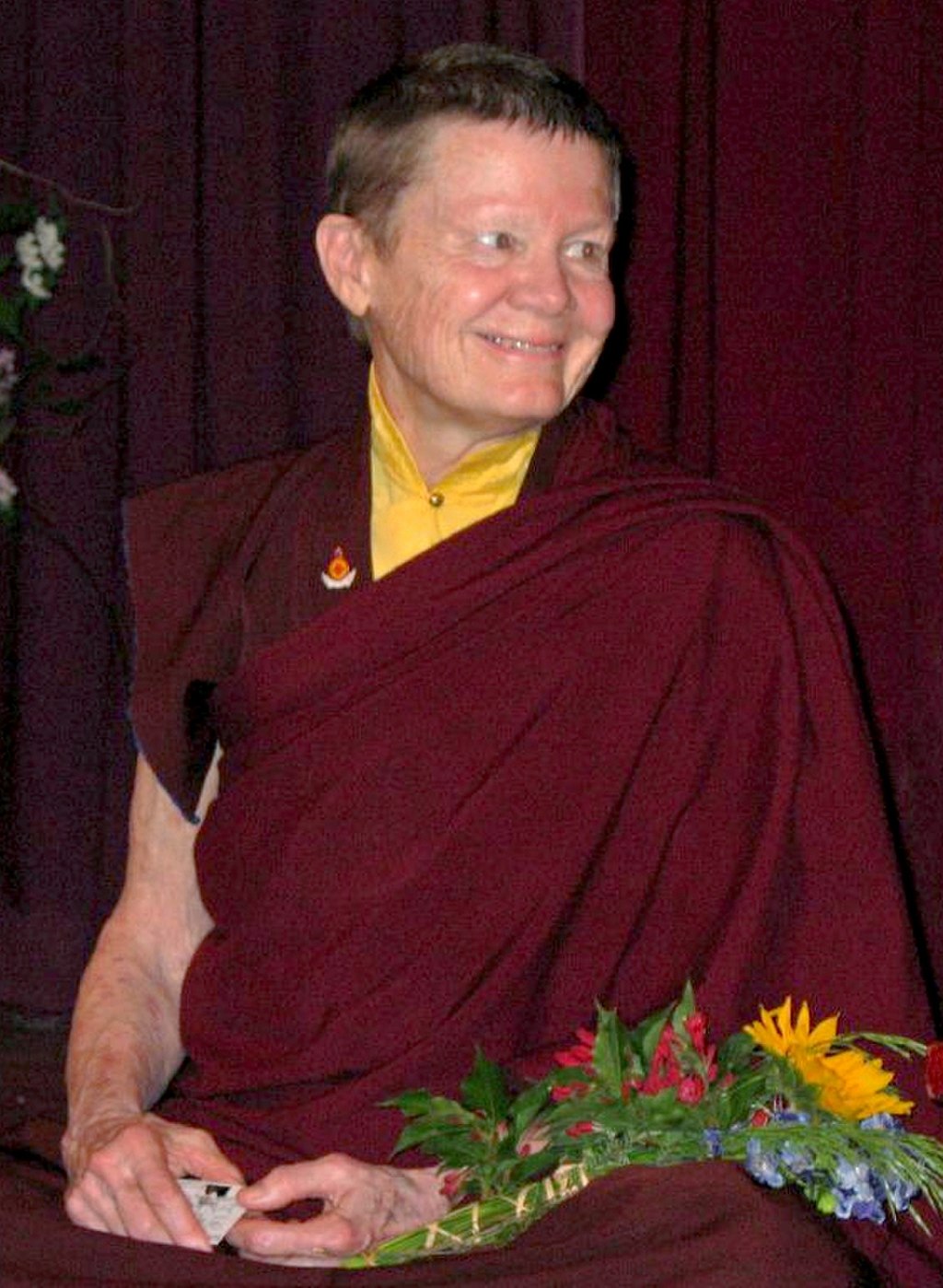
The Wisdom of Equanimity: Embracing Pain and Pleasure
Pema Chödrön's assertion that "pain is not a punishment; pleasure is not a reward" invites us to reconsider our relationship with suffering and joy. In a world that often equates discomfort with failure and happiness with success, this perspective challenges us to cultivate a deeper understanding of our experiences. By disentangling pain from punishment and pleasure from reward, we open ourselves to a more profound sense of equanimity, allowing us to navigate life's inevitable ups and downs with grace and resilience.
This teaching resonates deeply within the framework of Buddhist philosophy, where the nature of suffering and the pursuit of happiness are central themes. Chödrön's words remind us that pain and pleasure are not moral judgments but rather integral aspects of the human experience. By embracing this truth, we can learn to face our challenges without the added burden of self-blame or the fleeting nature of pleasure, fostering a sense of inner peace that transcends external circumstances.
The image / the metaphor
The imagery in Chödrön's quote evokes a sense of balance, suggesting that pain and pleasure exist on a continuum rather than as opposing forces. The verbs "is" and "not" create a stark clarity, inviting us to examine our assumptions about these experiences. By framing pain as a neutral occurrence rather than a punitive measure, we can begin to see it as an opportunity for growth and understanding. Similarly, recognizing pleasure as a transient state rather than a reward liberates us from the cycle of craving and disappointment.
In the speaker's tradition
Pema Chödrön's teachings are rooted in the rich tradition of Tibetan Buddhism, where concepts such as dharma, sunyata (emptiness), and prajna (wisdom) play pivotal roles. The notion that pain is not a punishment aligns with the Buddhist understanding of suffering as an inherent part of existence, rather than a divine retribution. This perspective encourages practitioners to cultivate compassion for themselves and others, recognizing that suffering is a universal experience that connects us all.
In her book "When Things Fall Apart," Chödrön draws upon the teachings of the Buddha, particularly the Four Noble Truths, which articulate the nature of suffering and the path to liberation. By acknowledging that pain and pleasure are not moral judgments, we can begin to cultivate a sense of equanimity that allows us to navigate the complexities of life with greater ease. This understanding is further echoed in the concept of kenosis, or self-emptying, which invites us to release our attachments to outcomes and embrace the present moment with openness and curiosity.
Living the teaching
Consider a modern scenario where this teaching might resonate: a job loss. In a society that often equates employment with self-worth, losing a job can feel like a personal failure, a punishment for inadequacy. However, if we embrace Chödrön's perspective, we can view this experience not as a reflection of our value but as an opportunity for growth and self-discovery. This shift in mindset allows us to approach the situation with curiosity rather than despair, opening the door to new possibilities and paths we may not have considered otherwise.
In the context of relationships, this teaching can be equally transformative. When faced with conflict or emotional pain, we often perceive these moments as punishments or failures in our connections. By applying Chödrön's wisdom, we can reframe these experiences as essential components of intimacy and understanding. Rather than seeking to avoid discomfort, we can lean into it, recognizing that vulnerability and honesty can deepen our bonds and foster a more authentic connection with ourselves and others.
A reflection
As we contemplate Chödrön's profound insight, we are invited to reflect on our own relationship with pain and pleasure. How might our lives change if we approached these experiences with a sense of equanimity, recognizing them as natural aspects of our journey rather than moral judgments? In what ways can we cultivate a deeper acceptance of our experiences, allowing them to unfold without the weight of expectation or fear? These questions invite us to explore the transformative power of embracing life as it is, with all its complexities and contradictions.


Join the BrightStar Community
Stay connected with daily inspiration, event announcements, and community wisdom