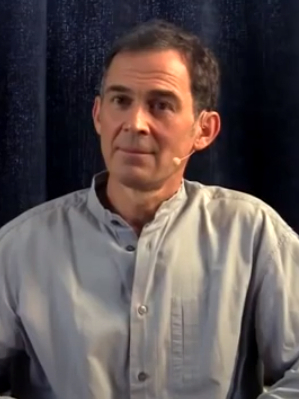
The Silent Space of Awareness: A Contemplation
Rupert Spira's assertion that "All thoughts arise in the silent space of awareness" invites us to explore the profound relationship between our thoughts and the underlying awareness that gives rise to them. This statement challenges the common perception that thoughts are the primary drivers of our experience, suggesting instead that they emerge from a deeper, quieter realm. Understanding this dynamic is crucial for anyone seeking to cultivate a more peaceful and centered existence, as it shifts our focus from the incessant chatter of the mind to the stillness that underpins our consciousness.
As we delve deeper into this quote, we begin to recognize the implications of distinguishing between thought and awareness. In a world often dominated by the noise of our mental processes, this perspective offers a sanctuary of calm. By acknowledging that thoughts are transient phenomena arising within the vast expanse of awareness, we can cultivate a sense of detachment from them. This detachment does not imply suppression or denial of thoughts; rather, it encourages us to observe them without identification, fostering a more profound understanding of our true nature.
The image / the metaphor
The imagery in Spira's quote evokes a serene landscape where thoughts are like clouds drifting across a vast, open sky. The "silent space of awareness" serves as the backdrop against which these clouds appear, highlighting the contrast between the ephemeral nature of thoughts and the enduring quality of awareness itself. This metaphor invites us to visualize awareness as an expansive, unchanging presence, while thoughts are momentary and fleeting, much like the weather that passes through a landscape.
In the speaker's tradition
Rupert Spira's teachings are rooted in the non-dual tradition, which emphasizes the fundamental unity of all existence. This perspective aligns closely with concepts such as *sunyata* (emptiness) in Buddhism, which posits that all phenomena lack inherent existence and arise interdependently. Similarly, the notion of *kenosis*, or self-emptying, in Christian mysticism resonates with Spira's assertion, as it invites practitioners to let go of the ego's grasp on thoughts and identities, allowing awareness to shine through unencumbered.
In his work, Spira often references the idea of *prajna*, or wisdom, which arises from recognizing the nature of awareness. This wisdom is not intellectual but experiential, cultivated through direct engagement with our inner landscape. A relevant text that echoes this sentiment is the *Upanishads*, which articulate the relationship between the individual self and the universal consciousness, emphasizing that true understanding comes from realizing our identity with the silent awareness that underlies all thought and experience.
Living the teaching
Consider a modern scenario where this teaching can be applied: a busy professional facing the relentless demands of work and life. In moments of stress, the mind may become overwhelmed with thoughts of deadlines, responsibilities, and expectations. By practicing the awareness that Spira describes, the individual can pause and recognize that these thoughts are not the entirety of their experience. Instead, they can take a step back, breathe, and connect with the silent space within, allowing the thoughts to exist without becoming entangled in them.
In a different context, this teaching can profoundly impact relationships. Imagine a couple navigating a disagreement, where emotions run high and thoughts become charged with defensiveness. By remembering that their thoughts arise in the silent space of awareness, each partner can cultivate a sense of presence and openness. This awareness allows them to listen more deeply, respond with compassion, and recognize that their thoughts do not define their love for one another. In this way, the teaching becomes a tool for fostering connection and understanding amidst the noise of conflict.
A reflection
As we reflect on Spira's poignant statement, we are invited to consider how often we identify with our thoughts rather than recognizing them as transient expressions of awareness. In moments of quiet contemplation, we might ask ourselves: "What happens when I allow my thoughts to arise and pass away in the silent space of awareness?" This question encourages us to explore the depth of our being beyond the surface of thought, inviting a more profound connection with the essence of who we are.




Join the BrightStar Community
Stay connected with daily inspiration, event announcements, and community wisdom