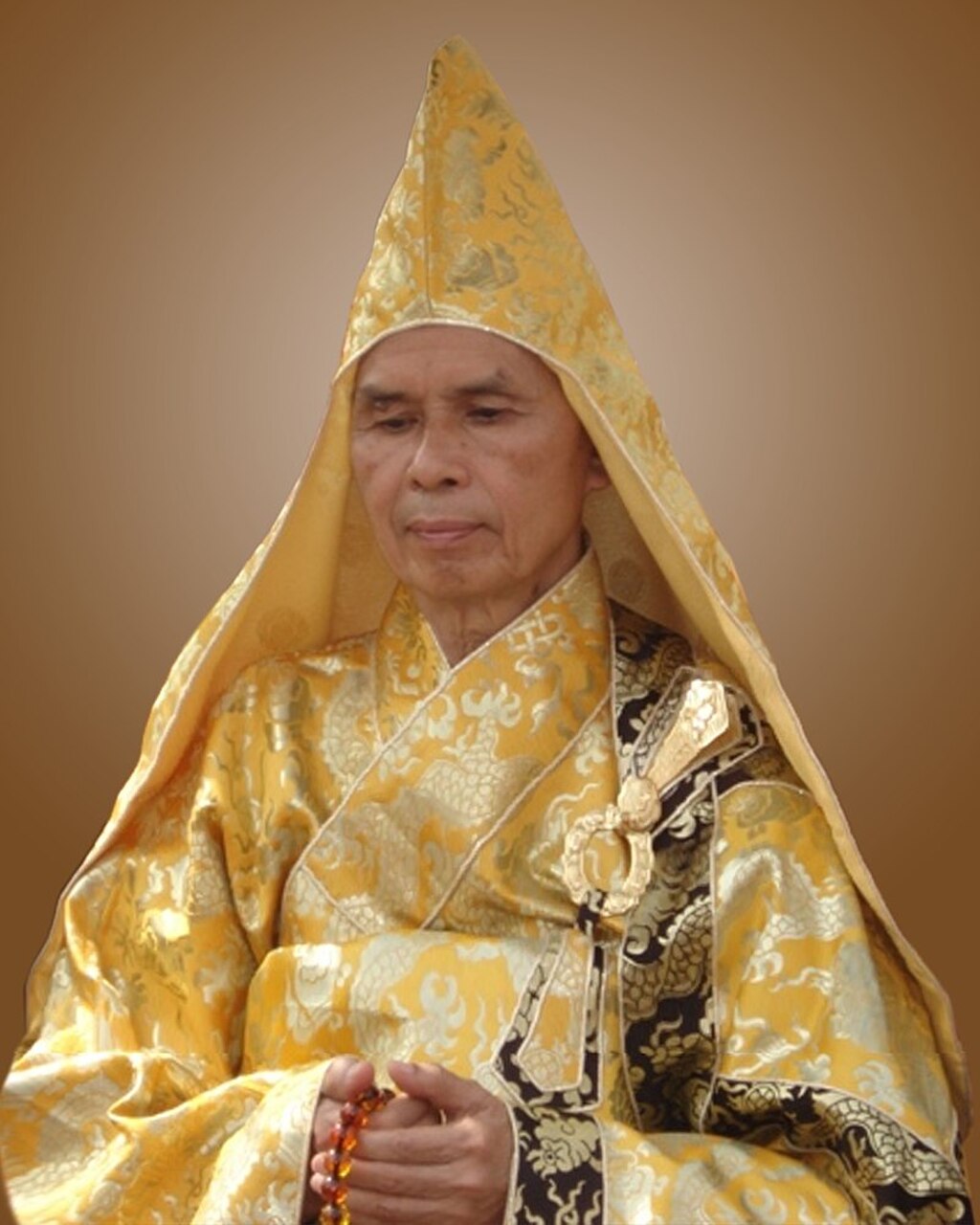
The Profound Paradox of Emptiness
Thich Nhat Hanh's assertion that "emptiness is not nothing. It is the source of everything" invites us to reconsider our understanding of emptiness. Rather than viewing it as a void or absence, he encourages us to see it as a fertile ground from which all existence springs forth. This perspective is crucial in a world often dominated by materialism and distraction, where the essence of being is frequently overlooked. Recognizing emptiness as a source can lead to profound insights into the nature of our lives, relationships, and the universe itself.
Delving deeper into this notion of emptiness reveals a rich tapestry of meaning. It challenges our conventional beliefs about existence, urging us to embrace the paradox that within emptiness lies potential and fullness. This understanding can transform our approach to life, allowing us to cultivate peace and wisdom amidst the chaos. By exploring the depths of what it means to be empty, we can uncover the interconnectedness of all things and the profound peace that arises from this realization.
The image / the metaphor
At first glance, the imagery of emptiness may evoke feelings of desolation or lack. However, Thich Nhat Hanh's choice of words suggests a dynamic quality to this emptiness. It is not a static void; rather, it is a vibrant space teeming with possibility. The verb "is" in the quote emphasizes that emptiness is a state of being, a fundamental aspect of existence that underlies all phenomena. This felt sense of emptiness can be likened to the silence that precedes a symphony, a canvas awaiting the brushstrokes of creativity.
Going deeper into the metaphor, we can see that emptiness serves as a reminder of the impermanence of all things. Just as a seed must be buried in the earth, seemingly lost, before it can sprout and flourish, our own potential often lies hidden within the depths of our experiences. Emptiness, then, is not a lack but a nurturing womb, a space where transformation occurs. It invites us to let go of our attachments and preconceived notions, allowing us to engage with life more fully and authentically.
In the speaker's tradition
Thich Nhat Hanh's teachings are deeply rooted in Zen Buddhism, where the concept of emptiness, or *sunyata*, plays a pivotal role. In this tradition, emptiness is understood not as nihilism but as the realization of interdependence and the interconnectedness of all beings. This aligns with the Buddhist principle of *dharma*, which emphasizes the importance of understanding the nature of reality and our place within it. The notion of *kenosis*, or self-emptying, further complements this idea, suggesting that true wisdom arises when we relinquish our ego-driven desires and open ourselves to the fullness of existence.
In *The Heart of Understanding*, Thich Nhat Hanh draws upon the teachings of the Heart Sutra, which famously states, "Form is emptiness, emptiness is form." This profound statement encapsulates the essence of his message: that what we perceive as solid and substantial is, in fact, interwoven with the emptiness that gives it life. By recognizing this truth, we can cultivate a deeper sense of peace and understanding, allowing us to navigate the complexities of life with grace and compassion.
Living the teaching
Consider a modern scenario where the teaching of emptiness can be applied: the overwhelming nature of daily life. Many individuals find themselves caught in a whirlwind of responsibilities, expectations, and distractions. In such moments, the concept of emptiness can serve as a grounding force. By taking a step back and recognizing that our frantic pursuits may stem from a fear of emptiness, we can begin to cultivate a sense of peace. Embracing emptiness allows us to prioritize what truly matters, leading to a more balanced and fulfilling life.
In the context of relationships, the teaching of emptiness can also illuminate our interactions with others. When we approach relationships with the understanding that our identities are fluid and interconnected, we can foster deeper connections. For instance, during a conflict, recognizing the emptiness within ourselves can help us let go of rigid positions and open ourselves to empathy and understanding. This shift allows for healing and growth, transforming the relationship into a space of mutual support and love.
A reflection
As we contemplate Thich Nhat Hanh's profound statement, we are invited to explore the nature of our own experiences with emptiness. How can we embrace the emptiness in our lives as a source of potential rather than a void to be feared? Reflecting on this question can lead us to a deeper understanding of ourselves and our place in the world, encouraging us to cultivate a sense of peace and wisdom that transcends the superficial distractions of daily life.



Join the BrightStar Community
Stay connected with daily inspiration, event announcements, and community wisdom