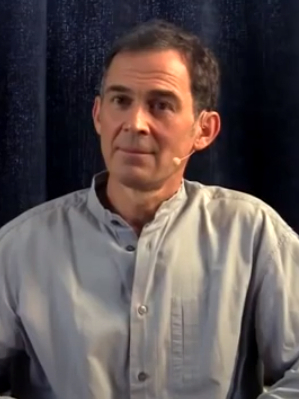
The Unchanging Essence of Inquiry
Rupert Spira invites us to engage in a profound inquiry with his poignant question, "Look. Now what is here that does not change?" This inquiry beckons us to examine the nature of our existence and the world around us, urging us to discern the essence that remains constant amidst the flux of life. In a world characterized by impermanence—where relationships evolve, emotions shift, and circumstances transform—this question serves as a compass guiding us toward a deeper understanding of our true nature.
At its core, Spira's inquiry challenges us to confront the very fabric of our reality. It compels us to look beyond the surface, to peel back the layers of our experiences, and to discover what lies beneath the transient. This exploration is not merely an intellectual exercise; it is an invitation to connect with the present moment, to recognize the changeless presence that underlies all phenomena. In doing so, we may find solace and stability in a world that often feels chaotic and unpredictable.
The image / the metaphor
The imagery in Spira's quote is striking in its simplicity yet profound in its implications. The act of "looking" suggests a conscious awareness, a deliberate choice to engage with our surroundings and our inner landscape. The phrase "what is here" evokes a sense of immediacy, urging us to focus on the present moment rather than getting lost in the past or future. The verb "change" encapsulates the essence of existence, highlighting the dynamic nature of life while simultaneously prompting us to seek the unchanging amidst the change.
Diving deeper into the metaphor, we can see that Spira's inquiry is not just about observation; it is about recognition. It invites us to recognize the stillness that exists beneath the surface of our thoughts and feelings. This stillness, often referred to as the "witness" or "observer," is the aspect of our being that remains untouched by the vicissitudes of life. By cultivating this awareness, we can learn to navigate the ever-changing landscape of our experiences with grace and equanimity.
In the speaker's tradition
Rupert Spira's teachings are rooted in the non-dual tradition, which emphasizes the interconnectedness of all existence and the realization of our true nature as awareness itself. Concepts such as *sunyata* (emptiness) and *fana* (annihilation of the self) resonate deeply within this framework, as they point to the dissolution of the ego and the recognition of the underlying unity of all things. In this context, Spira's inquiry serves as a gateway to understanding the nature of reality beyond the illusion of separation.
In the *Upanishads*, ancient texts that explore the nature of self and consciousness, we find echoes of Spira's inquiry. The *Tat Tvam Asi* (That Thou Art) teaching invites us to recognize our intrinsic connection to the universe, suggesting that the essence of our being is not separate from the whole. This profound realization aligns with Spira's call to look beyond the transient and to discover the changeless presence that is our true nature.
Living the teaching
Consider a modern scenario where this teaching can be applied: a moment of frustration in a busy workplace. As deadlines loom and tensions rise, one might feel overwhelmed by the chaos of competing demands. In such moments, Spira's inquiry can serve as a grounding practice. By pausing to ask, "What is here that does not change?" we can shift our focus from the external pressures to the stillness within, allowing us to respond with clarity and composure rather than react impulsively.
This teaching also finds relevance in our relationships. Imagine a disagreement with a loved one, where emotions run high and misunderstandings abound. In the heat of the moment, it can be easy to lose sight of the deeper connection that binds us. By invoking Spira's inquiry, we can remind ourselves of the unchanging love and understanding that exists beneath the surface of our conflicts. This perspective allows us to approach the situation with compassion and openness, fostering healing and reconciliation.
A reflection
As we contemplate Spira's profound question, we are invited to engage in a personal inquiry of our own. What aspects of our lives do we cling to as permanent, and how might we begin to recognize their transient nature? In this exploration, we can cultivate a deeper awareness of the changeless presence that resides within us, allowing it to guide us through the ever-shifting landscape of our experiences.



Join the BrightStar Community
Stay connected with daily inspiration, event announcements, and community wisdom